Understanding the psychology behind gambling What drives the risks
The Allure of Gambling
The psychology of gambling is deeply rooted in human emotions and social dynamics. Many individuals are attracted to the thrill of the unknown, where each spin of a slot machine or roll of the dice presents a chance for a life-changing outcome. This excitement creates a unique cocktail of anticipation and hope, fueling the desire to play. As a result, gambling can become an exhilarating escape from the mundane, offering players a momentary reprieve from their daily lives. Additionally, players can find promotional codes to enhance their experience, such as https://totalgoldcasino.com/promo-code/, which makes the game even more engaging.
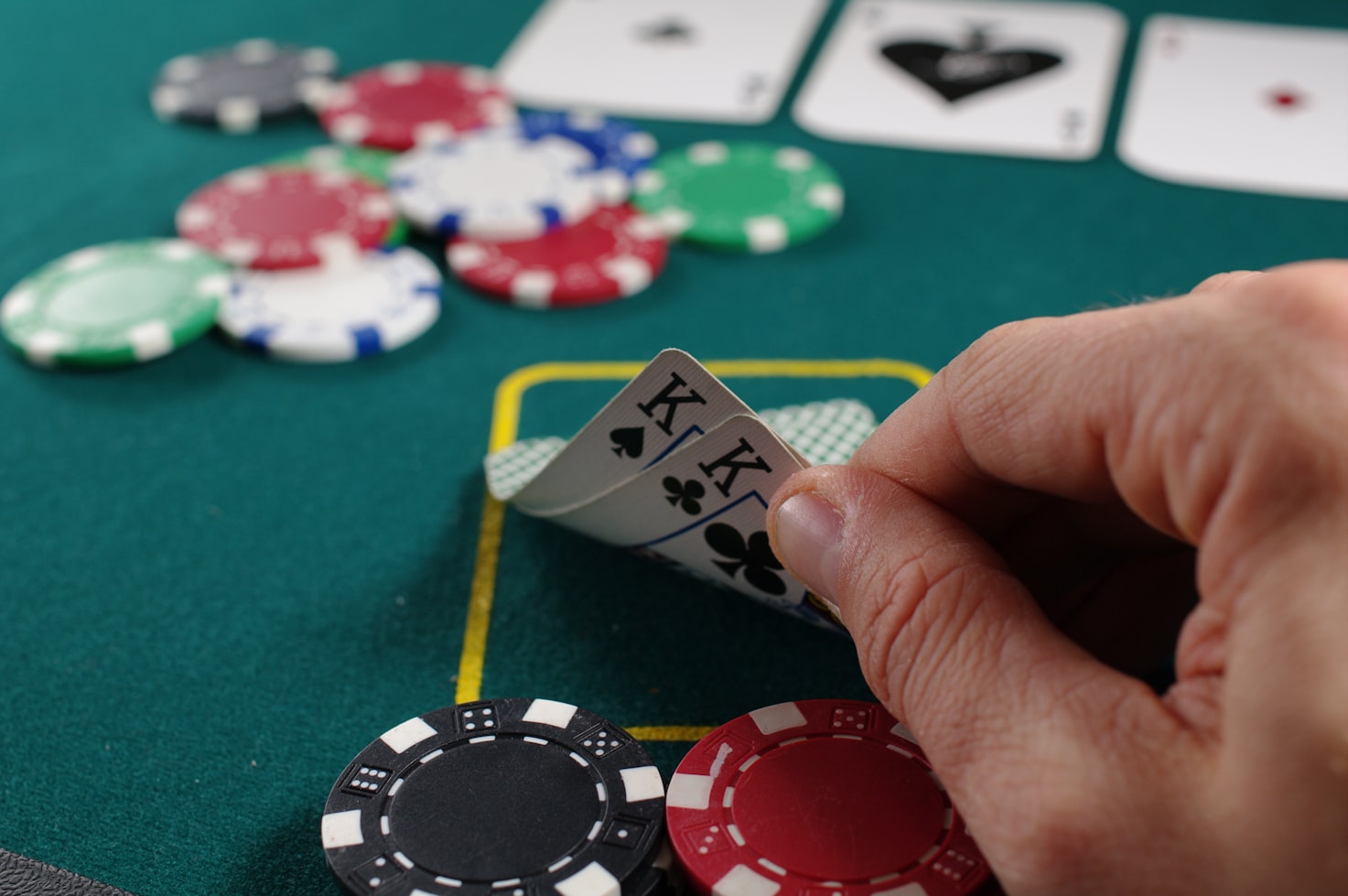
This thrill is magnified by the social aspect of gambling, where players often gather in casinos or online platforms to share the experience. This communal environment enhances the emotional highs and lows associated with gambling. Interactions with fellow gamblers can intensify the feeling of camaraderie, making the experience more enjoyable and encouraging individuals to take greater risks.
The Role of Cognitive Biases
Cognitive biases play a significant role in gambling behavior. One of the most common is the illusion of control, where players believe they can influence outcomes through their actions. This belief can lead to a misunderstanding of odds and probabilities, prompting individuals to make irrational decisions. For instance, a player might think that choosing a specific number will increase their chances of winning, despite the randomness of the game.
Additionally, the gambler’s fallacy contributes to risky behaviors. This cognitive distortion leads individuals to believe that past outcomes can influence future results, resulting in persistent betting despite previous losses. These biases can drive players to chase their losses, often leading to even greater financial risk and emotional distress.

Total Gold Casino: A Responsible Gaming Platform
“`
Leave a Reply